

2026 GFC Sermon Devos
2026 Focus: 1x4
Spending time in God's word at least 4 days a week can have a major impact in our spiritual lives. It impacts our loneliness, the way we interact with people around us, our ability to overcome temptation, and our willingness to share our faith.
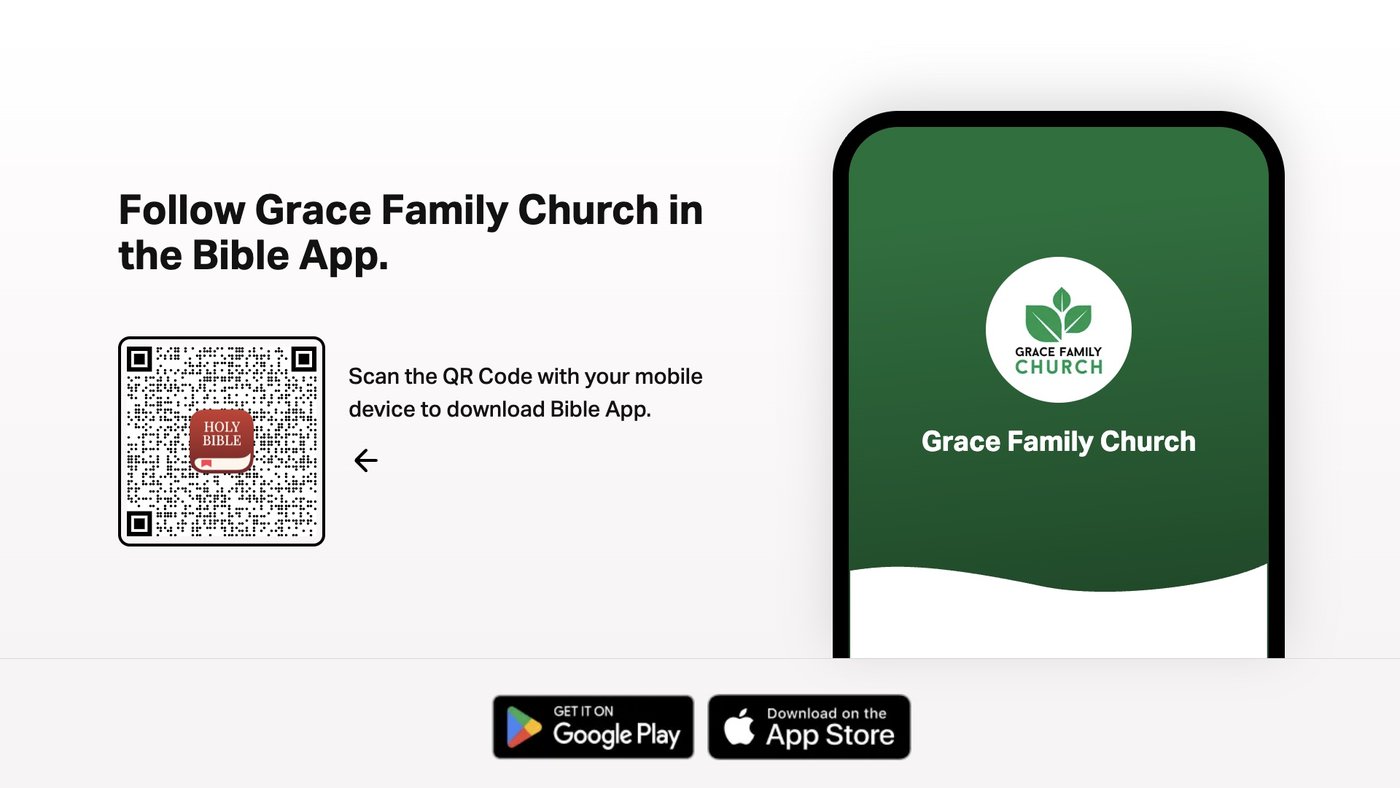
Each week we will upload 4 devotionals based on the sermon from that week. Our goal is to have everyone connected to GFC digging into God's word at least 4 days per week to see how God will grow each of us as we grow closer to him. You can also access these devotionals on the Bible App using the QR code in the graphic below!
Weekly GFC Devotionals
Week of October 18th 2026
Day 1 — Sent to Make Disciples
Matthew 28:18–20; Acts 1:8
Big idea: Jesus didn’t save us simply to sit back and enjoy the benefits of knowing Him. He sends us to make disciples and be His witnesses. We don’t have to know everything or have the perfect words. We are called to point people toward Jesus and trust that He is with us as we go.
Reflection questions:
- Who is someone in your life who needs to hear about Jesus?
- What keeps you from talking openly about your faith?
- What is one simple opportunity you have today to point someone toward Jesus?
Prayer: Jesus, give me courage to be Your witness. Help me recognize the opportunities You put in front of me and trust that You are with me. Amen.
Day 2 — We Cannot Stop Talking About Jesus
Acts 4:12–20
Big idea: Peter and John were told to stop speaking about Jesus, but they knew they could not remain silent about what they had seen and heard. Their boldness wasn’t arrogance—it was conviction. When we truly understand who Jesus is and what He has done for us, sharing the gospel becomes more than an obligation. It becomes something we cannot keep to ourselves.
Reflection questions:
- How comfortable are you talking about your relationship with Jesus?
- What fear most often keeps you quiet about your faith?
- Who could you intentionally have a spiritual conversation with this week?
Prayer: God, give me the courage of Peter and John. Help me speak about Jesus with humility, love, and confidence, even when I feel uncomfortable. Amen.
Day 3 — Tell People What Jesus Has Done
John 9:6–25
Big idea: The man Jesus healed didn’t have all the answers. When people questioned him, he simply told them what he knew: he had been blind, and now he could see. We can sometimes think we need to understand every theological question before we can talk about Jesus. But one of the most powerful things we can share is our own story of what Jesus has done in our lives.
Reflection questions:
- How would you describe the difference Jesus has made in your life?
- Are you waiting until you know more before sharing what you already know?
- Who could benefit from hearing your story of how Jesus has worked in your life?
Prayer: Jesus, help me recognize the ways You have worked in my life. Give me the courage to tell others what I know about You with honesty and humility. Amen.
Day 4 — Faithful Even When It Costs
Acts 5:41–42
Big idea: The apostles considered it an honor to suffer because they belonged to Jesus. Their circumstances didn’t silence them; they kept teaching and preaching every day. Following Jesus will sometimes cost us comfort, approval, or opportunities. But Jesus is worth it. Faithfulness means continuing to live and speak for Him even when doing so is difficult.
Reflection questions:
- What might following Jesus more openly cost you in your relationships, workplace, or community?
- Where are you tempted to choose comfort or approval over faithfulness?
- What is one way you can remain faithful to Jesus even if it makes you uncomfortable?
Prayer: Lord, help me value faithfulness to You more than comfort or approval. Give me courage to keep following and sharing Jesus regardless of the cost. Amen.